If you have ever stood in the spice aisle wondering what actually goes into a good Indian spices guide, this is the article for you. Indian cooking has a reputation for long ingredient lists, but the truth is friendlier: a small, well-chosen set of spices covers the vast majority of dishes, and each one earns its place on your shelf. Once you understand what the core dozen do, recipes stop reading like a chemistry exam and start reading like a story you already know the ending to.
This Indian spices guide walks through the twelve spices that matter most, how to buy them, how to store them, and the one technique that unlocks all of them. By the end, you will be able to look at almost any Indian recipe and see not a wall of unfamiliar names but a handful of old friends.
Why Indian Spices Taste Different (and How to Buy Them)
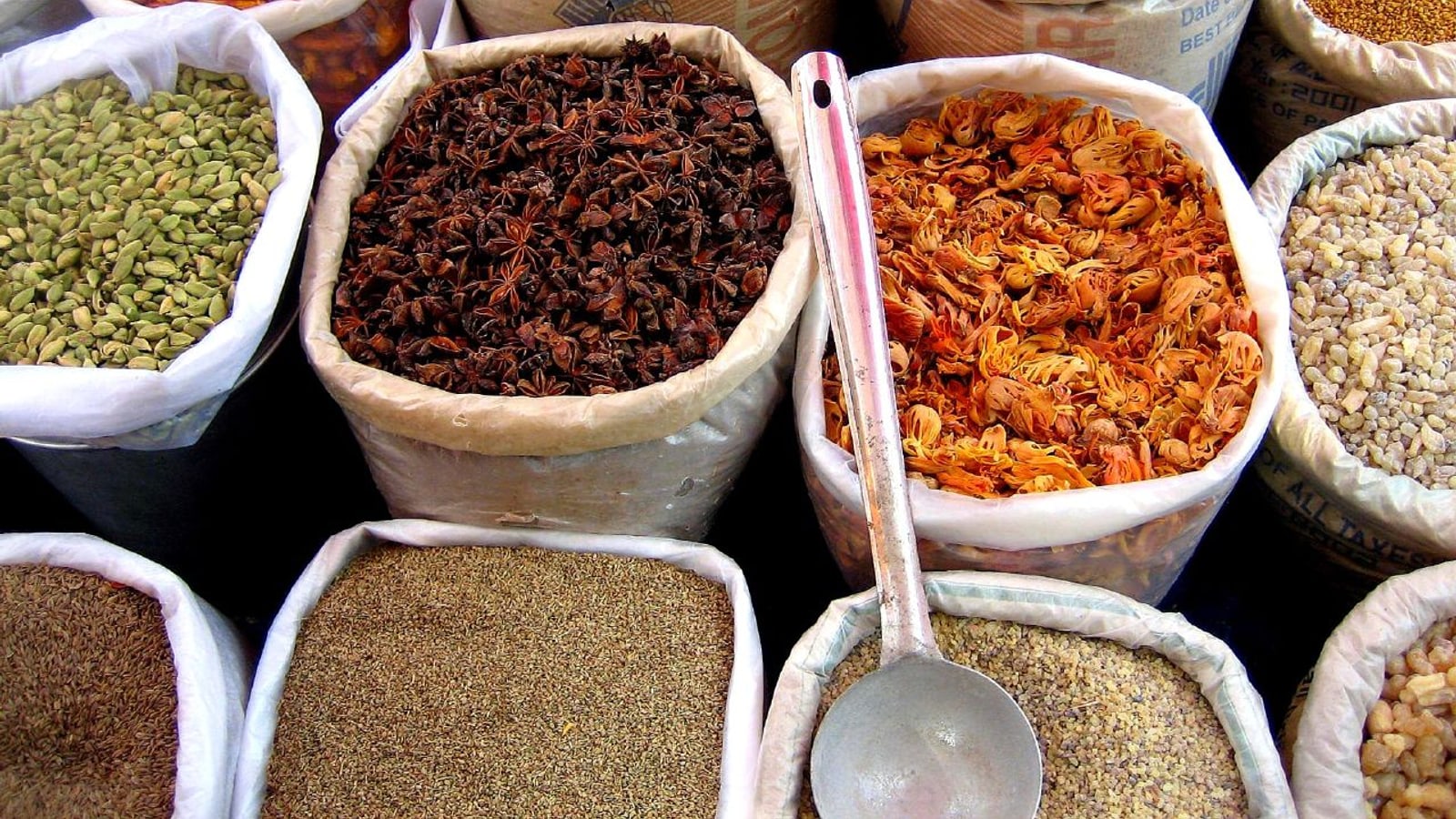
Walk into an Indian kitchen and the first thing you notice is that most spices are bought whole, not ground. Whole cumin seeds, whole coriander seeds, whole dried chilies, cardamom pods still in their skins. This is not tradition for its own sake: a whole spice is a sealed container of aromatic oils, and it only releases them when it is heated, cracked or ground. Whole spices keep their character for a year or more; ground spices begin fading within months of milling.
That single fact should shape your shopping, and every good Indian spices guide starts here: buy whole where you can. Where you have a choice, buy whole and grind what you need in a small coffee grinder or with a mortar and pestle. When you must buy ground, buy small packets from a store with fast turnover, and smell them before you commit: a ground spice should smell like itself, loudly. If a jar of ground coriander smells like dust, it will cook like dust too.
Quality matters as much as format. Indian grocery stores usually have the freshest stock and the best prices on the staples below. The spices sold in small transparent bags often beat the ones in fancy jars at a premium, because the bags turn over faster. Buy the smallest quantity that makes sense; a fresh jar beats a bargain bucket every time.
Whole vs Ground: The Practical Version
Keep these whole: cumin seeds, coriander seeds, mustard seeds, cardamom pods, cloves, peppercorns, cinnamon and dried red chilies. Grind them as needed, or fry them whole in hot oil, where they toast and release their aroma directly into the dish. Keep these ground for convenience: turmeric, and your chili powder of choice. Turmeric is almost never used whole in home cooking, and chili powder is a convenience item by design.
The 12 Essential Indian Spices
Here is the core shelf. Each entry tells you what the spice does and how it is typically used, so you can start recognizing it in recipes instead of measuring it blind.
1. Cumin seeds. Earthy, warm and instantly recognizable, cumin is probably the most used seed in Indian cooking. Whole cumin seeds crackle in hot oil at the start of a dish; ground cumin deepens gravies and dals. If your kitchen has one Indian spice, it is this one.
2. Coriander seeds. The citrusy, gently sweet backbone of countless masalas. Ground coriander adds body and roundness to almost every curry powder and paste. Toast the whole seeds before grinding and the difference is remarkable.
3. Turmeric. The golden one. Turmeric gives color, a faint earthy bitterness and the health halo, but its real job is balance: it rounds out heat and anchors other spices. Use it by the teaspoon, never the tablespoon, and let it bloom briefly in oil or it will taste raw.
4. Mustard seeds. Tiny, sharp and dramatic. In hot oil, black mustard seeds pop like popcorn, releasing a nutty pungency that defines South Indian cooking. They are the opening note of countless dals and vegetable stir-fries.
5. Dried red chilies. Whole dried chilies do two jobs: they color the oil a deep red and add a slow, rounding heat. Kashmiri chilies are the classic choice when you want that crimson color with only mild burn.
6. Cardamom. Green pods with an intensely aromatic, almost floral sweetness. Crushed into biryani or kheer, cardamom is the scent people remember. A pod or two transforms rice; a pinch of ground cardamom finishes desserts.
7. Cinnamon. In Indian cooking, cinnamon is a savory spice first. A stick dropped into hot oil perfumes a whole pot of curry or pulao. It pairs especially well with cloves and cardamom in the classic whole-spice trinity.
8. Cloves. Intensely aromatic, slightly medicinal, used sparingly. One or two cloves in a biryani or a dal tadka add depth you cannot name but would miss immediately.
9. Black peppercorns. The original heat before chilies arrived. Peppercorns appear in peppery South Indian soups like milagu rasam and in countless spice blends, where they add a lingering, warming bite.
10. Fenugreek seeds. Bitter, maple-scented and essential in small doses. Fenugreek rounds out pickles, dals and many curry powders; the bitterness is the point, balanced by everything around it.
11. Asafoetida (hing). The strangest and most magical entry: raw, it smells pungent enough to clear a room, but a small pinch fried in oil turns garlicky and savory. It is the secret behind many onion-free and garlic-free dishes, and it makes lentil dishes notably easier to digest.
12. Garam masala. Not a single spice but a finishing blend, typically built around cardamom, cinnamon, cloves and black pepper. Sprinkled in at the end of cooking, garam masala lifts the whole dish with warm aromatics. Every family's blend differs, and homemade, freshly ground, is a genuine upgrade.
Building a Starter Kit
If twelve is too many for your first shop, buy these five first: cumin seeds, coriander seeds, turmeric, mustard seeds and garam masala. Every Indian spices guide recommends starting small and adding as you cook. With those five plus onions, ginger, garlic and tomatoes, you can cook an enormous range of dishes. Add the rest as your recipes demand them; your shelf will be complete within a couple of months without any single expensive trip.
How to Store Indian Spices
Spices have three enemies: light, heat and air. Storage is the least glamorous chapter of any Indian spices guide, and the most important, because a spice rack above a stove is the worst place in the kitchen for them, despite being the most popular. Store your spices in airtight containers in a cool, dark cupboard, and they will hold their character far longer.
Whole spices keep well for a year or more. Ground spices and homemade masalas are best within three to six months, so label jars with the date you filled them. Never shake spices directly over a steaming pot: steam inside the jar cakes the contents and dulls the aroma. Spoon them into your hand or a measuring spoon first, then add to the pot.
One habit worth adopting: open the jar and smell. Once a month, take ten seconds with the jars you use least. Your nose will tell you when a spice is fading long before your recipes do, and replacing a tired packet costs less than one bland dinner.
Tempering: The Technique That Unlocks Them
If you learn one technique from this Indian spices guide, make it tempering, known in India as tadka or baghaar. It is astonishingly simple: whole spices are dropped into hot oil or ghee for a few seconds, where they toast, pop and perfume the fat. That fragrant oil becomes the foundation of the dish, or, just as often, is poured sizzling over a finished dal or chutney at the table.
The sequence matters. Hardier spices go first: mustard seeds pop within seconds, cumin sizzles and darkens slightly, dried chilies blister and swell. Delicate things like asafoetida, curry leaves and ground spices follow briefly, because ground spices burn in moments and burnt spices turn bitter. The whole performance takes under a minute, which is exactly why many home cooks do it at the start of every single meal.
Tempering is also the most affordable cooking lesson in this whole Indian spices guide. The same dal, the same rice, the same vegetables become a different dish depending on what you drop into the oil. Once you can temper confidently, you can improvise confidently, and improvisation is where Indian cooking stops being a set of instructions and becomes a repertoire.
Simple Ways to Practice This Week
Do not just read this Indian spices guide; cook with the spices in small, low-stakes ways. Warm a spoon of ghee, drop in a pinch each of cumin and mustard seeds, and pour the crackling mixture over plain yogurt with a little salt: you have just made the classic Indian side dish that accompanies almost every home meal. Toast and grind a tablespoon each of cumin and coriander, and smell the difference between your jar and the fresh powder. It will teach you more than any article can.
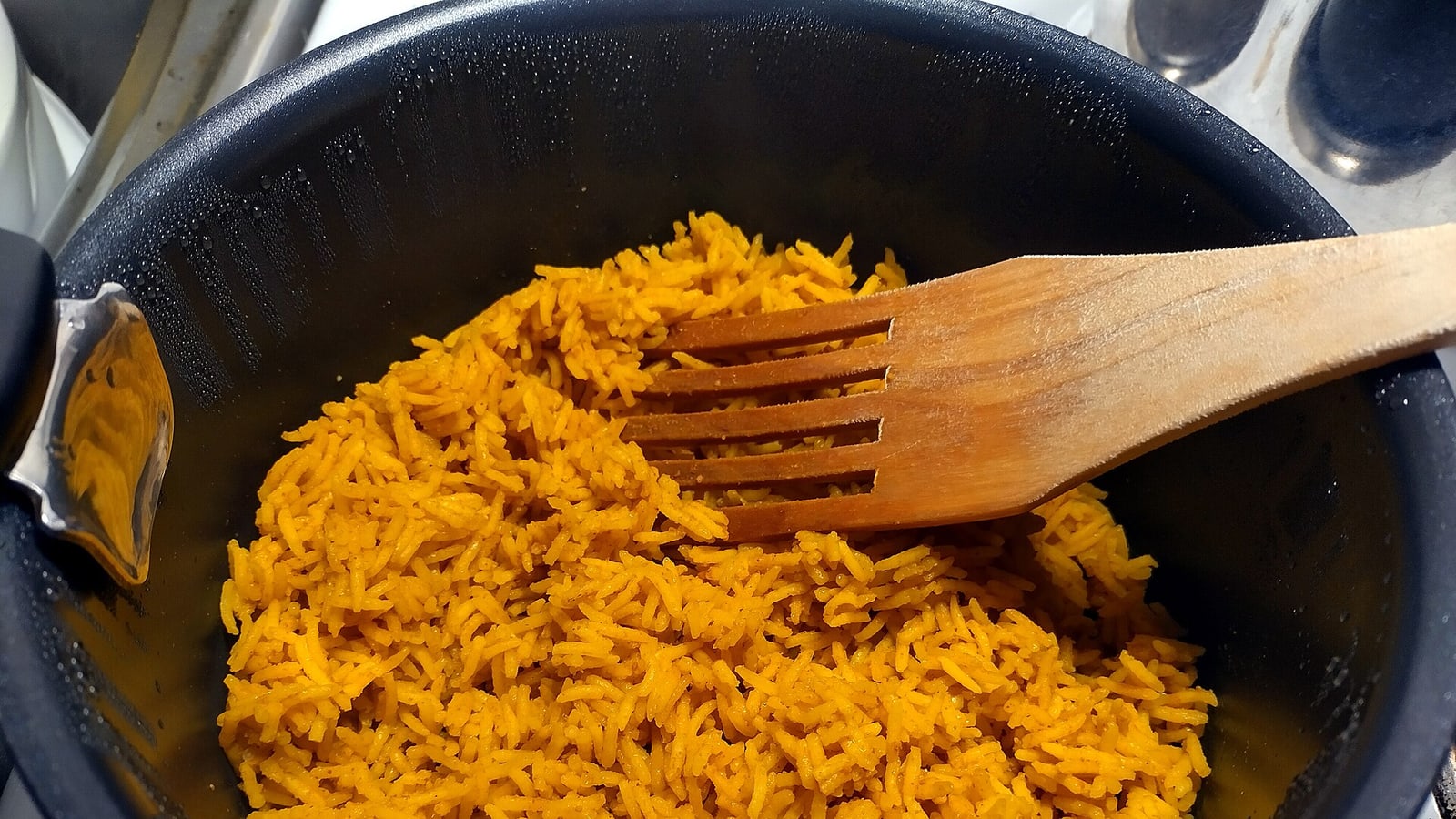
Then put the shelf to work on real dishes. A pot of south Indian pulao shows how whole and ground spices layer in one pot, while cashew chicken demonstrates the marinade side of the spice cabinet, where yogurt carries flavor deep into the meat. Even a five-minute cucumber cold soup leans on roasted cumin, proving that the smallest dishes use the same shelf as the grandest feasts.
Start Cooking
A spice collection is not a cost, it is an investment that pays out every single day, and unlike most equipment it only gets cheaper per use. Start with the five-spice starter kit, add a jar whenever curiosity strikes, and store everything cool and dark. Within weeks you will reach for cumin the way you reach for salt, without thinking, and the long ingredient lists that once intimidated you will have turned into a vocabulary you read fluently.
The full journey from first jar to confident improvisation is shorter than you think. Treat this Indian spices guide as a checklist for the shelf, browse every recipe on the site to see the spices in action, pick one dish, and let the jar teach you the rest.
Featured photo: judepics — CC BY 2.0, via Wikimedia Commons.