Every cook's bench tells the same story: a drawer of gadgets bought in hope, and six faithful tools that do ninety-five percent of the work. The truth about essential kitchen tools is that the list is short, the good ones are affordable, and almost nothing else is necessary. This guide walks through the fifteen essential kitchen tools genuinely worth your counter space, why each earns its spot, and which popular gadgets you should skip.
The goal is not minimalism for its own sake. It is a kitchen where every tool has a job, so cooking feels smooth instead of cluttered. Buy these once, care for them, and they will outlast every trend.
What Counts as Essential?
A tool is essential if it either does something nothing else can, or does something you do every week. A chef's knife qualifies twice over; a avocado slicer does neither. Price is not the test either: some of the most essential tools in any kitchen cost less than a takeaway meal, while some of the least essential cost more than a holiday. Judge by the work, not the ticket.
The list of essential kitchen tools below is organized by station, knife, prep, pan, tools, so you can see how the kitchen fits together. You almost certainly own some already; use it as an audit, not a shopping spree.
The 15 Essential Kitchen Tools
1. A chef's knife. The single most important tool in the kitchen. An eight-inch blade with a comfortable handle does everything from butchering a chicken to mincing a clove of garlic. Spend here, hold it before you buy, and keep it sharp.
2. A paring knife. The small blade for small work: hulling strawberries, deveining prawns, peeling ginger. A modest one does the job for years.
3. A serrated bread knife. Tomatoes and crusty loaves are impossible with a straight edge and trivial with a good serrated one. It also slices layer cakes cleanly.
4. Two cutting boards. One large wooden or plastic board for produce and bread, one dedicated to raw meat, so cross-contamination never has a chance. Boards that fit your sink get cleaned more, which is the trait that matters.
5. A heavy-bottomed pot or Dutch oven. Curries, dals, soups, bread, deep-frying: the thick base distributes heat so nothing scorches. A five-liter pot covers most households.
6. A large skillet. Cast iron or heavy stainless, it sears, fry-bakes cornbread, and goes from hob to oven. A well-seasoned cast-iron pan is a lifelong tool and the workhorse behind a great stir-fry night when the wok is resting.
7. A small saucepan. Rice for two, reheating dal, boiling eggs, warming milk. The quiet hero; you will reach for it daily.
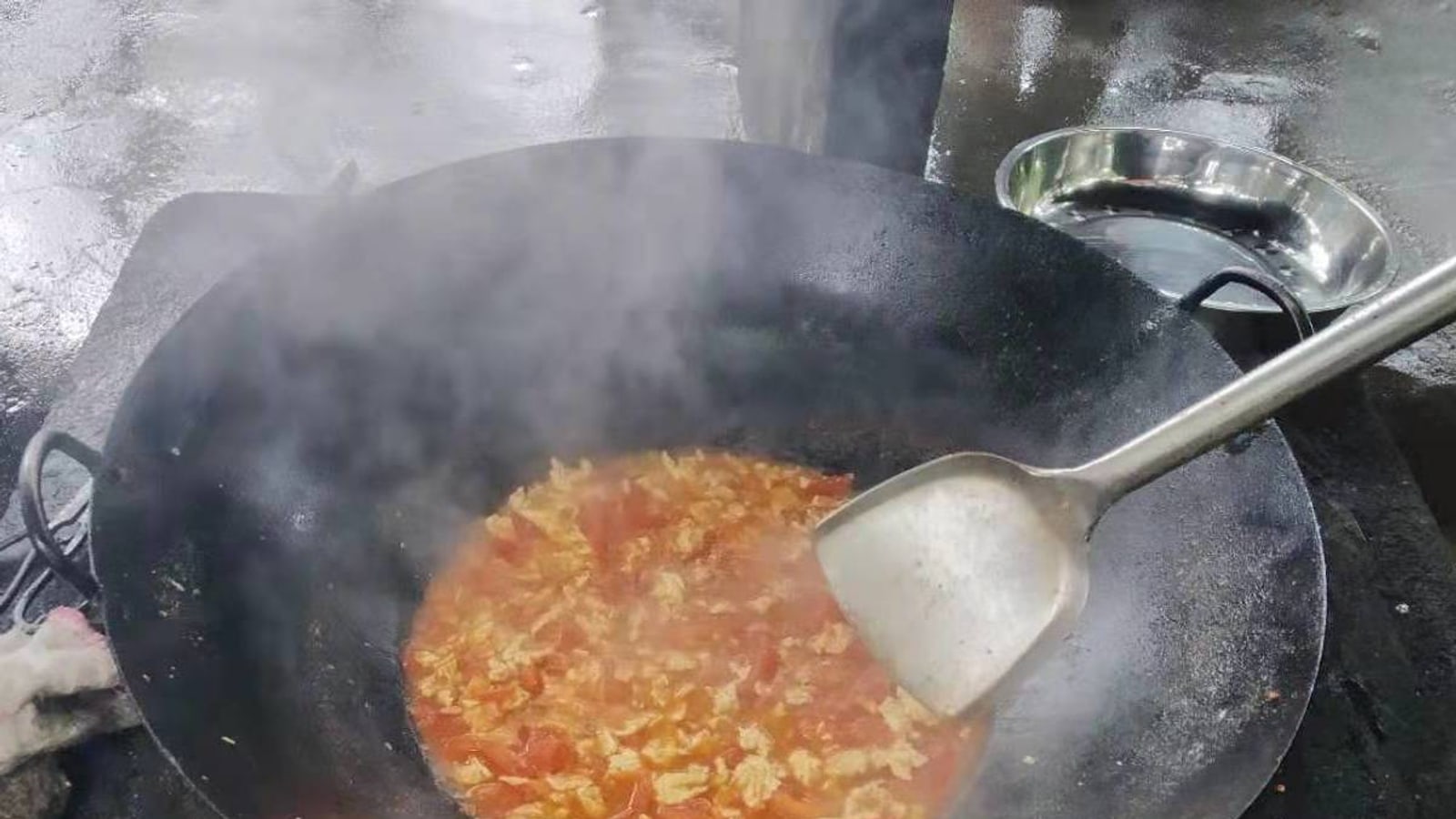
8. A wok or large frying pan. For anything cooked fast over high heat, the shape matters: food tossed in a wok returns to the hot center instead of spilling out. Flat-bottomed versions work on any stove.
9. A fine sieve or strainer. Rinsing rice, straining stocks, dusting desserts, rescuing pasta. Cheap, indestructible and used almost daily.
10. A mixing bowl set. One large, one medium, one small, that nest. Marinating, whisking, holding mise en place; the kitchen cannot run without them.
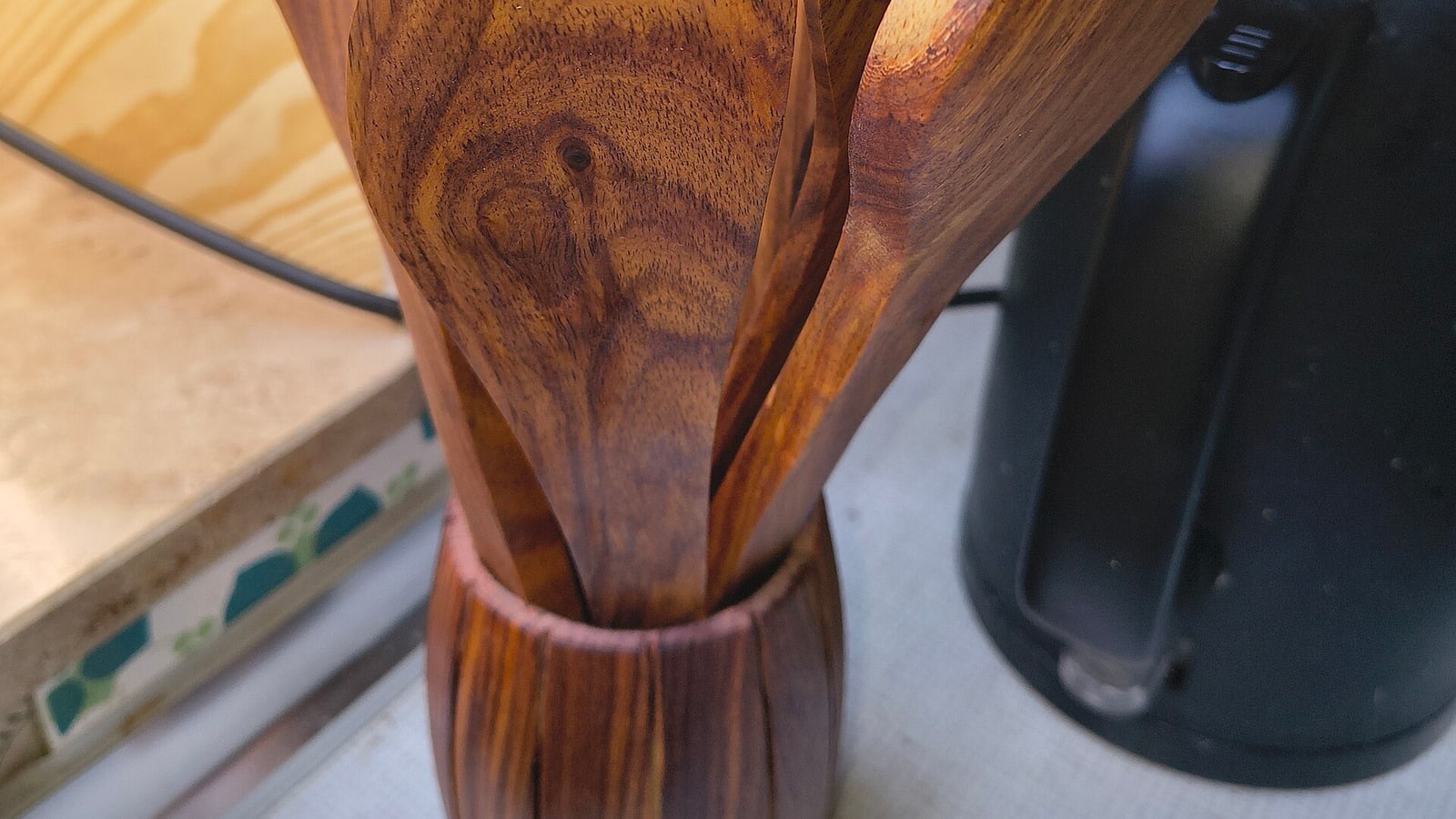
11. A wooden spoon and a heatproof spatula. The spoon for stirring anything that simmers for hours, the spatula for scraping every last bit of sauce from the pan. Both should feel like old friends within a month.
12. Tongs. An extension of your hand for turning meat, tossing vegetables, lifting pasta from water. The single most underrated tool on this list.
13. A box grater or microplane. Ginger, garlic, cheese, nutmeg, citrus zest; grated flavor distributes through dishes far better than chopped. A microplane is a few units of currency and transforms both desserts and curries.
14. A can opener and a kettle. Unglamorous, essential, and the source of more daily gratitude than any gadget. An electric or stovetop kettle speeds up every cup of tea and every pot of rice.
15. Kitchen scales. Baking runs on weight, and so does repeatable cooking. A small digital scale removes the guesswork from every recipe you love and makes your successes repeatable.
Three Worth Skipping
The unitasker drawer usually starts with an electric can opener, slow, loud and worse than the manual one. Avocado tools, banana slicers and dedicated egg fryers follow the same rule: if it does one thing badly that a knife or pan does well, skip it. And be skeptical of knife blocks full of filler blades; one chef's knife, one paring knife and one serrated knife cover everything, so spend the block's budget on better steel instead.
What About the Fancy Equipment?
An honest word on the appliances that dominate wish lists. An air fryer is genuinely useful, a small convection oven that crisps leftovers and roasts vegetables fast, and if you have the counter space it earns its plug. An electric pressure cooker makes beans and stock while you are out of the house, and rice cooks well in it once you learn its timings. A stand mixer, a sous-vide circulator, a bread machine: all lovely, none essential, and none should be bought before the fifteen basics above are complete and sharp.
The test is simple. Essential kitchen tools do a job every week; appliances do a job some weeks, and only you know your cooking. Rent before you own where possible, buy the appliance that matches a dish you already cook monthly, and let the gadget drawer stay half-empty. A kitchen with fifteen good basics and one well-chosen appliance outcooks a kitchen full of single-purpose machines every day of the week.
Caring for Your Tools
Essential tools stay essential only if they are maintained, and the maintenance is lighter than most people fear. Knives: hand wash and dry immediately, hone weekly on a steel, and get them professionally sharpened once or twice a year, because a sharp knife is safer than a dull one. Wooden boards and spoons: wash quickly, never soak, and rub with food-safe mineral oil occasionally to stop them cracking.
Cast iron: wipe clean, dry on the heat, wipe with the thinnest film of oil. That is the whole ritual. Pots and pans: avoid thermal shock, letting a hot pan see cold water warps bases forever. And once a season, open the drawers and be honest: if something has not been used in a year, it is not essential, and the space it frees is worth more than the object.
Shop Once, Cook for Years
Audit your kitchen against this list of essential kitchen tools, replace only what is genuinely worn or missing, and stop there. A complete, well-cared-for set costs less than most people imagine and pays itself back in faster, more confident, more joyful cooking every single week. When you are ready to put the equipment to work, a batch of Gulab Jamun exercises the saucepan and the scales, a weekend Tandoori Chicken shows the skillet and grill doing heavy lifting, and the full recipe collection is a lifetime of jobs for these fifteen tools.
For deeper reading, the history of cast-iron cookware explains why your grandmother's pan still cooks better than most new ones, and our articles and guides cover more kitchen fundamentals like this one.
Featured photo: Badhan.kv — CC BY-SA 4.0, via Wikimedia Commons.