Ask ten cooks how to make curry and you will get ten recipes, but underneath them all runs the same skeleton: spice, onion, aromatics, body, simmer. Learn that five-step method once and you will never need to follow a curry recipe word for word again. This guide teaches you the method, the reasons behind each step, and the mistakes that separate a great pot of curry from a mediocre one.
The payoff is bigger than one dish. The method below works for chicken, lamb, prawns, vegetables, chickpeas or paneer; for Northern-style gravies and coconut-based Southern ones. Master it and every curry recipe on this site becomes a variation you can improvise on.
What Curry Actually Means
Outside South Asia, curry is a single flavor, a yellow powder on a supermarket shelf. In India, the word closest to it, kari, simply means sauce or gravy, and the reality is a vast family of dishes: rich Mughlai gravies, fiery coastal fry-ups, coconut-based stews, dry vegetable sabzis. A butter chicken and a dry aloo gobi are both curry in the broad sense, and they share a method more than a flavor.
That is good news for a home cook. You do not need to learn hundreds of recipes; you need one method and a handful of regional accents, and that is the real secret of how to make curry. Change the liquid and the finishing spice, and the same skeleton becomes a different dish.
The Curry Powder Question
Part of learning how to make curry is knowing when a shortcut is acceptable. Curry powder is a Western invention, a useful pre-blended shortcut rather than an authentic ingredient, and it is perfectly fine in a hurry. But a pot built on freshly bloomed whole spices will beat powder every time, because whole spices release their aroma into hot oil at the moment of cooking. Treat curry powder as a convenience, not a foundation, and keep a jar of garam masala for finishing instead.
The Five-Step Curry Method
Here is how to make curry, stripped to its load-bearing steps. Each one has a reason, and skipping or rushing any of them shows up in the final pot.
Step 1: Bloom Whole Spices in Hot Fat
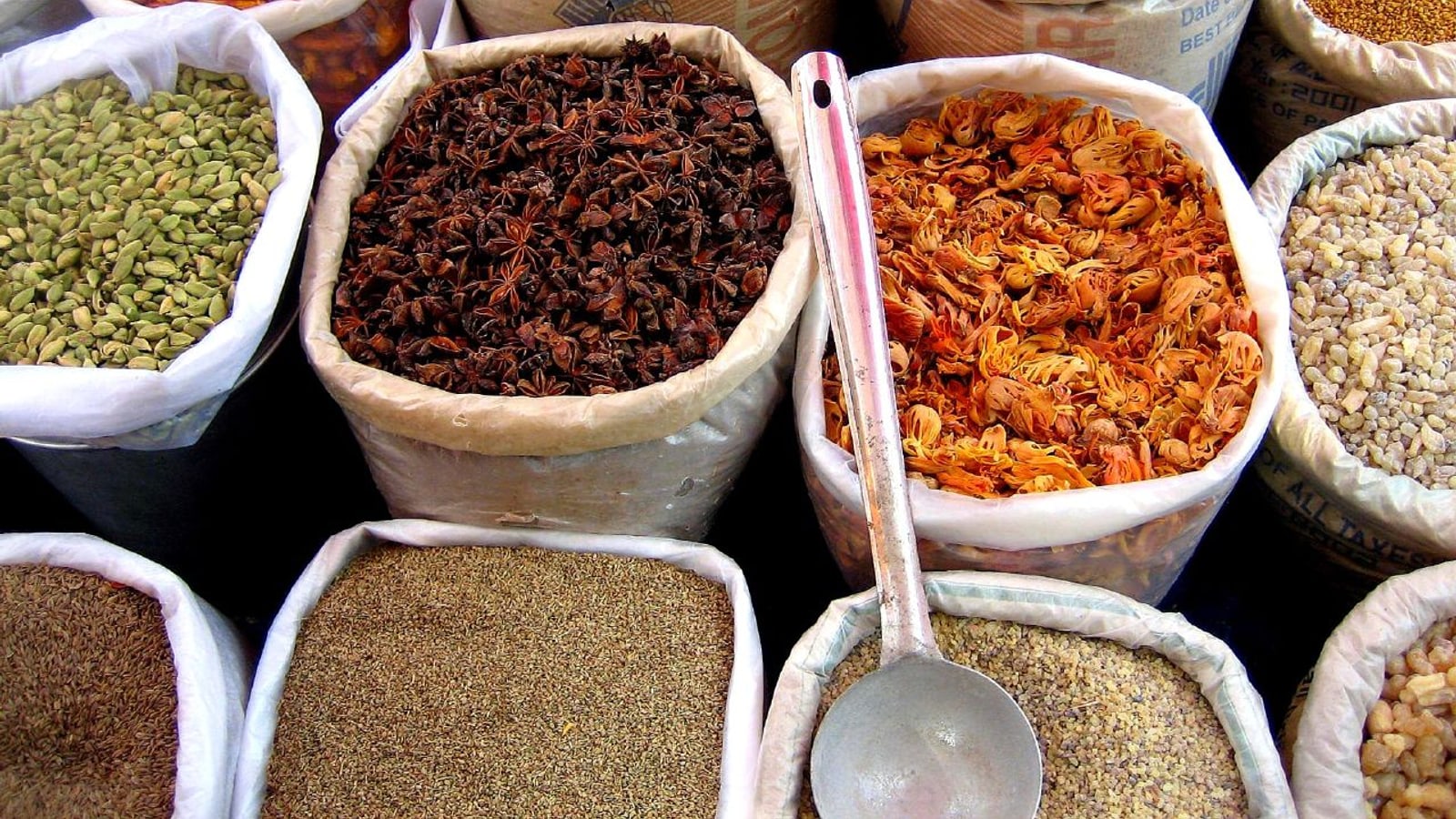
Heat oil or ghee until it shimmers, then add whole spices: cumin seeds, mustard seeds, a cinnamon stick, a couple of cardamom pods, maybe a dried chili. They should crackle and darken within seconds, perfuming the fat. This step is where curry gets its depth; the aromatic oils dissolve into the oil and distribute through the whole dish. Thirty seconds, no more, because burnt spices are bitter and cannot be fixed.
Step 2: Fry Onions Until They Surrender
Add finely chopped onions to the spiced oil with a pinch of salt and cook them patiently, ten to twenty minutes, until deeply golden. This is the step most home cooks rush, and it is the single biggest difference between home curry and restaurant curry. Browned onions are sweetness and body; pale onions are sharpness and water. If you want restaurant results, give the onions the time, and do not hesitate to add a splash of water to lift the browned bits and keep them cooking rather than burning.
Step 3: Add Ginger, Garlic and Ground Spices
Stir in a paste of ginger and garlic and cook off its rawness for a minute, then add your ground spices: coriander, cumin, turmeric, chili powder. The trick is to keep the heat moderate and stir constantly for thirty to sixty seconds, toasting the spices in the oil. You will smell the moment they turn fragrant and grainy-rich. Add a splash of water immediately after to stop the spices catching, which keeps them from scorching on the pan bottom.
Step 4: Build the Body
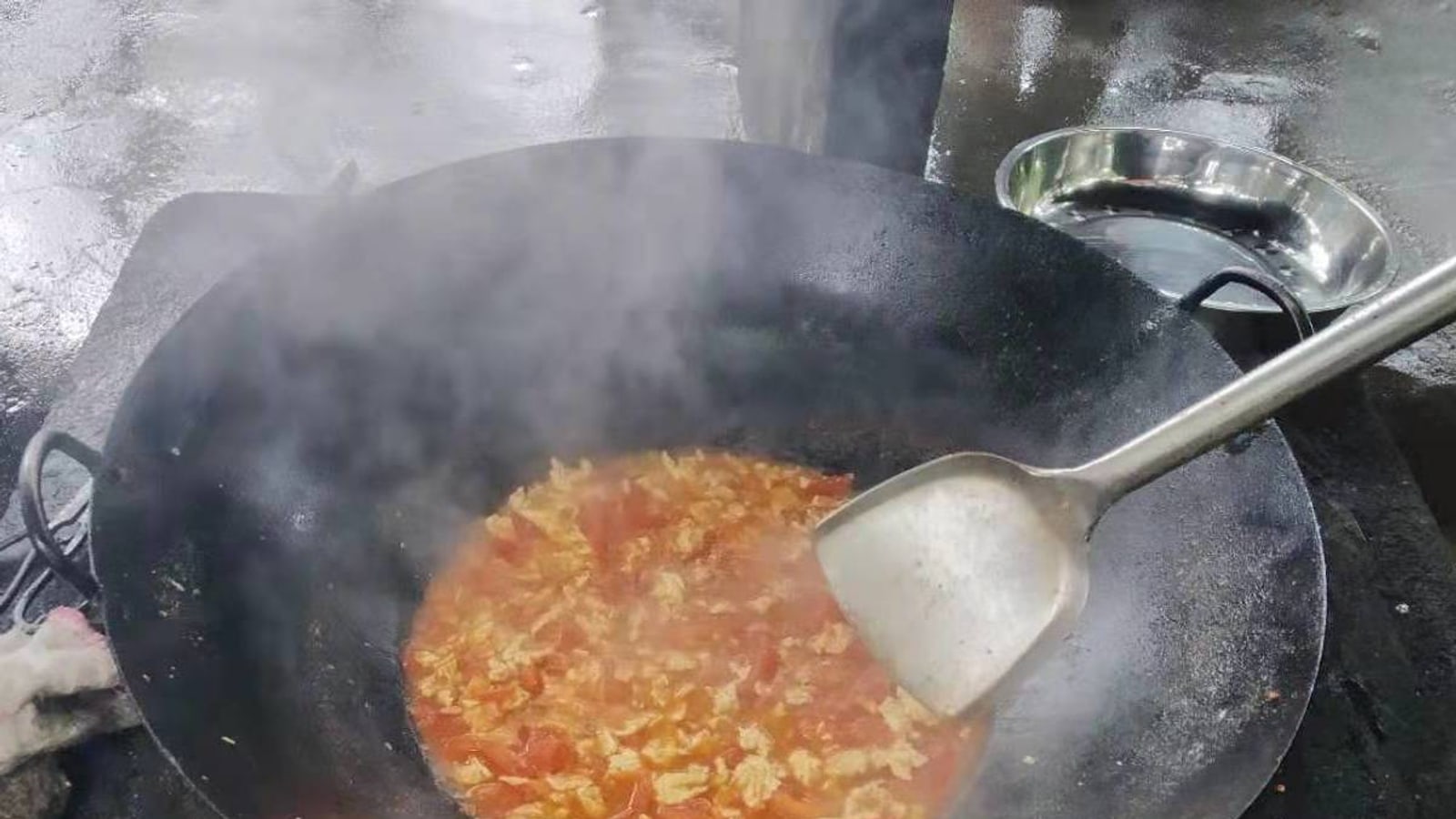
Now the main ingredients go in. Brown your meat in the masala, or add tomatoes and cook them down until they slump and the oil starts separating at the edges, that shiny split is the visual signal that your base is ready. Then pour in your body: water or stock for lighter curries, coconut milk for Southern-style ones, cream or ground cashews for restaurant-style richness. The base should look loose at this stage; it will thicken as it simmers.
Step 5: Simmer, Finish, Adjust
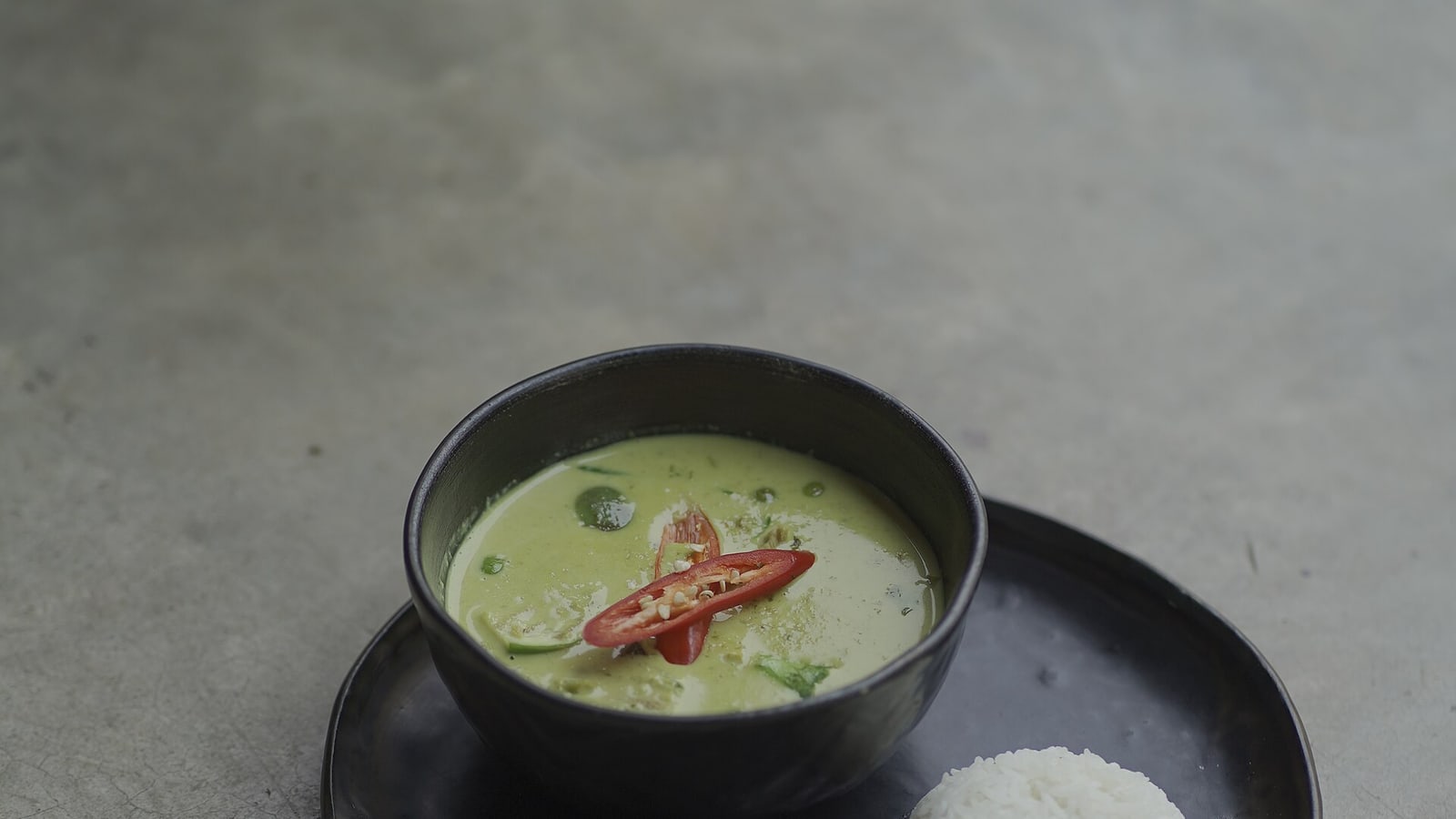
Simmer gently until the protein is tender or the vegetables are cooked through and the sauce has reached a consistency that coats a spoon. Then finish: a sprinkle of garam masala, fresh cilantro, a squeeze of lime, a swirl of cream. Finishing spices go in late precisely because their delicacy would not survive long cooking. Taste and adjust salt, and only then decide whether it needs more heat, more acid or a pinch of sugar.
Common Curry Mistakes
Almost every disappointing curry fails at one of five places. Most quick guides on how to make curry skip these, and that is exactly why most pots disappoint. Rushed onions, as covered above, is the classic. The second is drowning spices in liquid before they bloom: spices need contact with hot oil early or they stay raw and dusty. Third, boiling a delicate curry hard; coconut milk and cream split and turn grainy at a rolling boil, so keep the simmer lazy.
Fourth, under-salting in layers. Salt early, with the onions, and again as the sauce reduces; a curry seasoned only at the end always tastes flat. Fifth, forgetting acid. A final squeeze of lime or lemon is not decoration, it is what makes the spices taste louder. If a curry tastes heavy but not delicious, acid is almost always the missing note, not more salt.
Curry in Under Thirty Minutes
The five-step method sounds like a weekend project, but it compresses beautifully — this is how to make curry on a weeknight without losing the method. Chop onions finely instead of coarsely and they brown in eight minutes instead of twenty. Use ginger and garlic paste from a jar on weeknights. Toast a big batch of the whole-spice mix on Sunday and temper it fresh in one minute on Wednesday. With those three shortcuts, a genuine from-scratch curry is a half-hour dish, faster than delivery and infinitely better.
Put the Method to Work
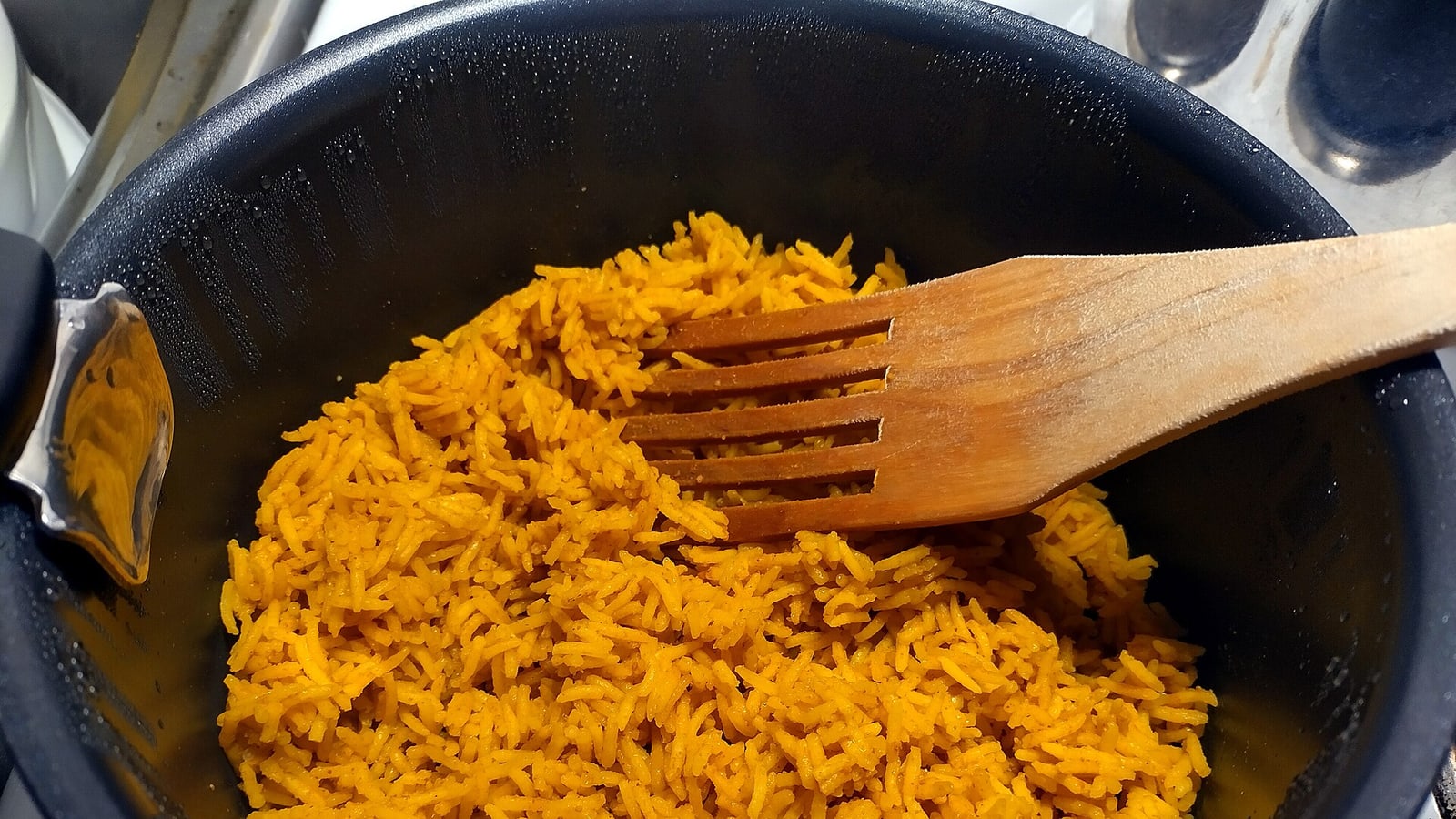
Reading about the method helps; cooking it twice makes it yours. Start with a classic pot of cashew chicken, which demonstrates the meat version of the skeleton, then try moo goo gai pan to see how the same steps adapt to a lighter, vegetal body. For a vegetarian masterclass, south Indian pulao shows the rice-and-spice version of the body, built on the same tomato-onion base. And when you want a second opinion on how to make curry, compare notes with our wok cooking guide.
For a wider tour of the dish family and its history, this overview of curry is a fascinating read, and our cooking guides collect more technique deep-dives like this one.
Once you have cooked the method a few times, close the recipe. Look in the fridge, choose a protein and a body, and build the pot from memory. When that works, and it will sooner than you think, you have stopped making recipes and started making curry. That, in the end, is the whole lesson in how to make curry.
Featured photo: Kenamparo — CC BY-SA 4.0, via Wikimedia Commons.