
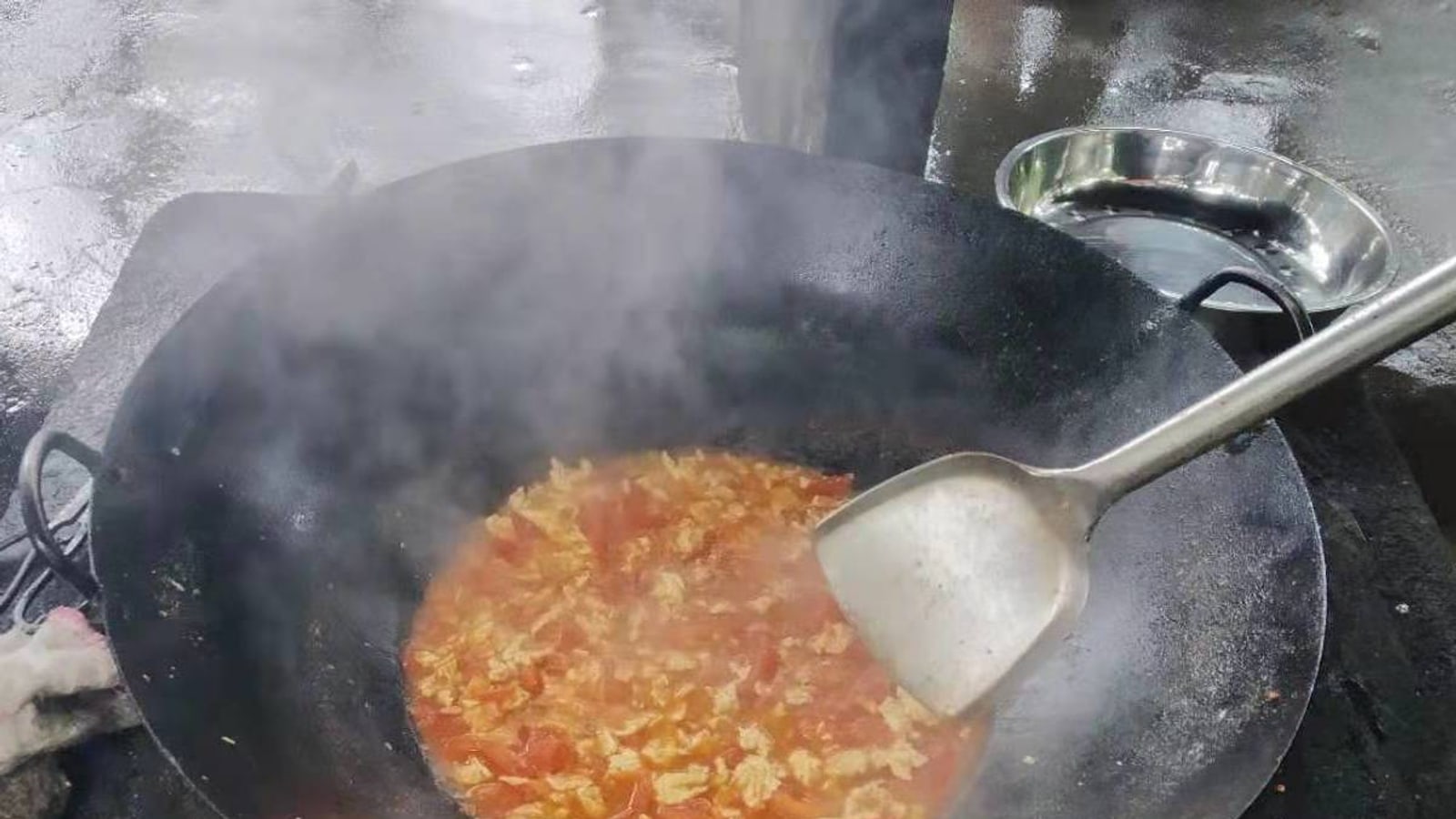
Nothing changes your weeknight cooking faster than learning wok cooking. The same chicken, the same vegetables, the same sauce, cooked in a wok over proper heat instead of a crowded pan, comes out transformed: crisper, brighter, tasting of the restaurant. This guide covers the equipment, the heat, the sequence and the first dishes worth mastering, so you can make wok cooking at home taste like the takeout counter.
The good news is that the barrier is lower than it looks. You need one piece of equipment, one new habit about heat, and a fixed order of operations that never changes. Everything else is practice, and wok cooking at home rewards practice faster than any other technique.
Why Wok Cooking Is Different
A wok is not just a round pan; it is two cooking zones in one. The bottom center is searingly hot, where food browns and picks up the smoky flavor that Chinese cooking calls wok hei, the breath of the wok. The curved walls above are gentler, where food can rest and finish without burning. Tossing moves food between the zones constantly, which is why stir-fry recipes read toss constantly: you are managing temperature by position, not by dial.
That geometry is also why a wok beats a skillet for this job. In a flat pan, a big batch of food sits in one layer of its own juices, steaming. In a wok, the sides hold the food above the oil while you cook in small batches at the center, then combine at the end.
The BTU Problem
Honesty first: domestic stoves deliver a fraction of a restaurant's heat. The fix is not a new stove, it is technique. Preheat the empty wok longer than feels reasonable, cook in smaller batches than you think necessary, and never let a crowd of cold ingredients crash the wok's temperature. A home stove with a patient cook produces genuine wok hei; a restaurant burner with an overcrowded wok does not. Heat, not price, is what makes wok cooking at home work.
Getting Your Wok Ready
Buy plain carbon steel, not nonstick. Nonstick coatings cannot take the heat a wok needs and their slick surface never develops seasoning. Carbon steel arrives grey and bare; a new wok needs a quick scrub in hot soapy water to remove the factory oil, then a session of seasoning: heat the wok until it just smokes, wipe the surface with a paper towel dipped in a neutral oil, and let it smoke again until the surface turns evenly bronze-brown. Two or three rounds and the wok is ready.
From then on, the seasoning maintains itself with use, which is why wok cooking at home gets better every month you keep the pan. Clean the hot wok with water and a soft brush, never soap and never steel wool, dry it on the heat, and wipe with the thinnest film of oil. A used wok is black and glossy, and food behaves beautifully in it. Like cast iron, it is a lifetime tool that your cooking improves every time you use it.
The Smoke Test
Before every stir-fry, heat the empty wok until a drop of water skitters and evaporates instantly, then add oil and swirl. The oil should shimmer and thin immediately, with the faintest wisp of smoke. Oil added to a cold wok soaks into the metal and food sticks; oil added to a properly hot wok sears on contact. That thirty-second ritual is the difference between stir-fry and stir-sog.
The Sequence Every Stir-Fry Follows
Every great stir-fry, from house-style chicken to garlic greens, follows the same order. Learn it once and you can cook anything from the fridge without a recipe.
First, prepare everything before the flame goes on. Stir-frying is fast, so every ingredient must be chopped, measured and within arm's reach: aromatics minced, sauce pre-mixed in a small bowl, protein cut evenly. Chefs call this mise en place, and in wok cooking it is not optional. Second, aromatics hit the hot oil for ten to thirty seconds, garlic, ginger, chilies, just until fragrant. Third, protein goes to the hot center, spread wide, and stays still for a moment to sear before being tossed and pushed up the wall.
Fourth, firm vegetables join at the center, then quicker-cooking ones follow, each in its right moment. Fifth, everything tumbles together, the pre-mixed sauce pours in around the side of the wok where it sizzles and thickens in seconds, and after one final toss the dish lands on a plate. Total cooking time: minutes. The rhythm is so consistent that after a handful of dinners, your hands simply know it.
Three Beginner Mistakes at the Wok
Even with the sequence memorized, three habits sabotage first attempts. Mistake one: too much food in the pan. A wok half full of chicken is a steamer; cook in batches that leave the center visible, and combine everything in the final thirty seconds. It feels wasteful to cook in three batches, but each batch tastes better, and the whole meal still finishes faster than the oven preheats.
Mistake two: wet ingredients. Rinse greens earlier, dry them thoroughly, and pat cubed protein with paper towels, because surface water crashes the wok temperature and produces grey, bouncy meat instead of seared. Mistake three: sauce poured over the top of the food. Pour it around the hot rim instead, where it hits metal, sizzles and caramelizes before it meets the ingredients. Small adjustments, but together they are the line between wok cooking at home that impresses and stir-fry that merely feeds.
Five Dishes to Master First
Start with dishes that teach the fundamentals. Kung Pao Chicken is the classic lesson in velveting and sauce timing, while Lo Mein teaches noodle handling, the toss that matters most. Fried Rice is the Sunday-night classic that turns cold rice into the best thing on the table, and it is where your new high-heat habits pay off fastest.
Velveting, Explained
Velveting is the restaurant trick behind silky stir-fried meat: slices are tossed with a little cornstarch, rice wine and egg white, then rested briefly before cooking. The coating holds moisture inside the protein through the violent heat, so chicken stays tender instead of turning chalky. It takes ninety seconds of prep and is the single biggest quality jump available to home stir-fry.
Wok Cooking Without a Wok?
If you have no wok, a large heavy skillet can produce respectable results with two adjustments: cook in even smaller batches, and finish sauces in the center rather than around the edges. But if you cook stir-fries more than twice a month, a flat-bottomed carbon-steel wok costs less than a takeaway order and will change more meals than any gadget on the market. It also serves a second life as a deep-fryer, a popcorn pan and a steamer with a rack. Check that the handle stays cool enough to grab and that the base fits your largest burner; those two details matter more than any specification sheet, and they are what make wok cooking at home effortless rather than awkward.
For the history and engineering of the pan itself, this overview of the wok is a great read, and our cooking guides collect more technique deep-dives. Then pick one recipe from the full collection, heat the wok until it smokes, and cook dinner in five fast, loud, glorious minutes.
Featured photo: Mx. Granger — CC0, via Wikimedia Commons.