If you have ever wondered how to cook rice properly, fluffy, separate grains, never gluey, never scorched, this is the method that gets you there. Rice is the most cooked food on earth, and it is also the most mistreated. Every one of those outcomes comes from treating rice as a throwaway side rather than a technique. This guide shows how to cook rice perfectly every time, with no gadgets, using the one method professional kitchens rely on.
The secret is that perfect rice is not luck and not a matter of a magic rice cooker. Learning how to cook rice is a few small habits: choosing the right rice for the dish, rinsing or not rinsing deliberately, measuring the water by ratio rather than by eye, and then having the discipline to leave the pot alone. Master these and you will never serve bad rice again.
The Type of Rice Changes Everything
Before any method matters, you need the right rice. Long-grain varieties like basmati and jasmine cook into separate, distinct grains and are what you want for pilafs, biryanis and everyday sides. Basmati brings that characteristic popcorn-and-flower aroma and elongates dramatically when cooked, which is why it is the rice of Indian and Persian cooking. Medium and short-grain rices carry more surface starch and cook stickier, which is exactly what you want for sushi, risotto or eating with your hands alongside a saucy curry.
Match the rice to the dish and half your problems disappear. A sticky short-grain under a thin lentil soup is a joy; the same rice under a rich biryani is a mistake. When a recipe names a specific rice, it is not being fussy, it is doing this calculation for you.
Rinsing: Yes or No?
Rinsing washes surface starch off the grains, and that starch is what makes rice gluey. For basmati and other long-grain rice, rinse in cold water, swishing with your fingers, until the water runs mostly clear: three or four changes usually do it. The exception is when you want stickiness, for rice pudding or sushi-style dishes, where the surface starch is the feature, not the bug. Rinse deliberately, not ritually.
The Absorption Method, Step by Step
The absorption method cooks rice in exactly the water the grains can drink, so nothing is poured away and nothing is left to drain. It is how most of the world actually cooks rice, it needs nothing but a pot with a tight lid, and it is the method this how to cook rice guide is built around.
Measure the rice into a fine sieve and rinse until the water runs mostly clear, then let it drain a minute. Put the rice in a pot with your measured water and a good pinch of salt; for basmati, one part rice to one and a half parts water by volume is the reliable starting ratio, with a touch more if the pot lost a lot of steam last time. Bring the pot to a boil uncovered, let it bubble vigorously for thirty seconds, then clamp on the lid and turn the heat to the lowest setting your stove can hold.
Now the discipline part: cook for twelve to fifteen minutes without lifting the lid. Every peek releases the steam the rice is cooking in, and that steam is precisely what finishes the center of each grain. When the time is up, turn off the heat and let the pot sit, still sealed, for another five to ten minutes. This rest lets the last of the moisture redistribute evenly, which is why restaurant rice is fluffy from top to bottom while rushed rice is wet on the bottom and dry on top.
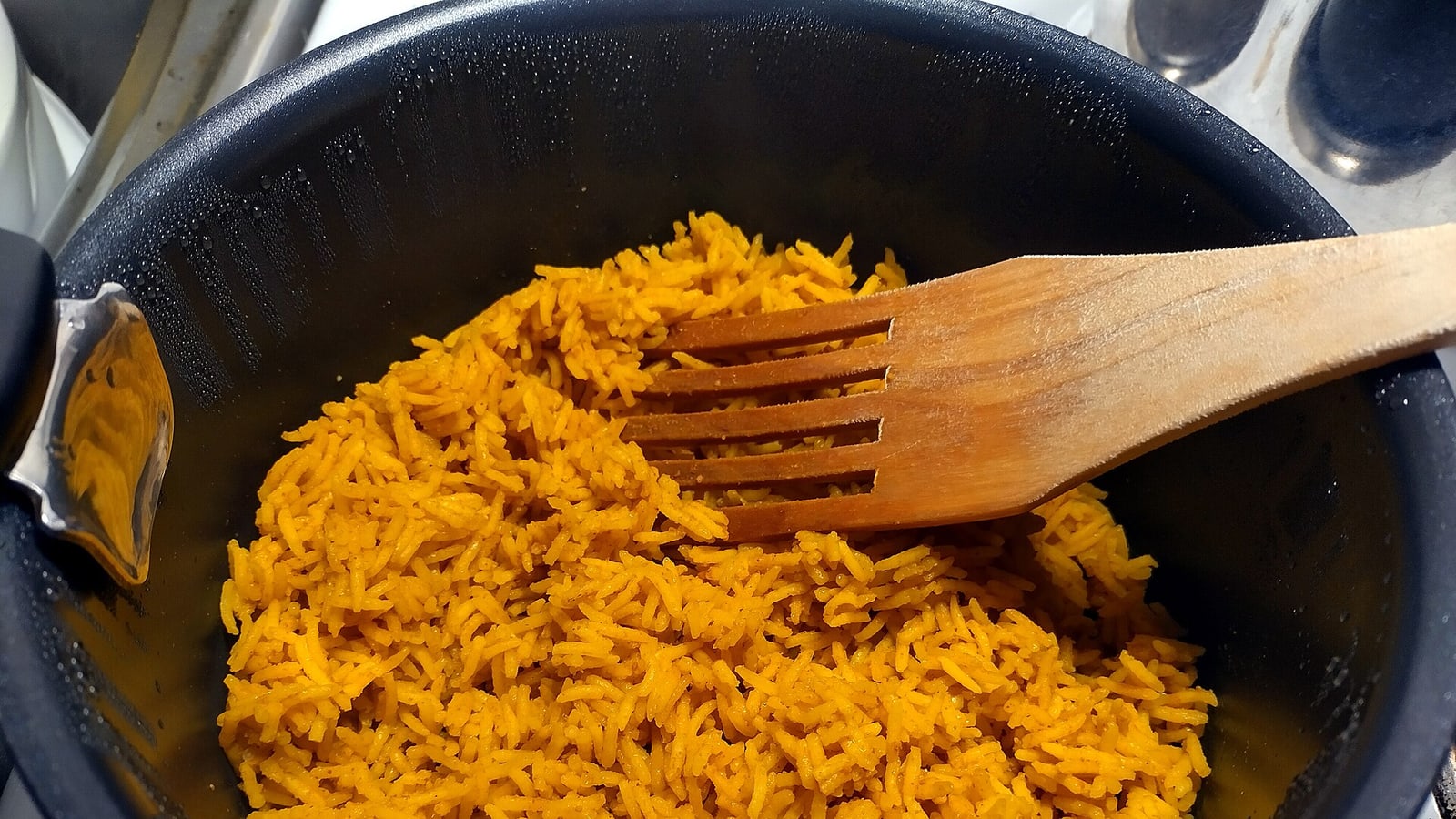
Finally, open the pot and fluff with a fork, folding from the edges, and let the steam escape for a moment before serving. You should see every grain separate, shiny and intact. This is the point where you understand why the waiting mattered.
Rice-to-Water Ratios That Actually Work
Part of knowing how to cook rice is knowing that different rices drink differently, so keep these starting ratios close: long-grain white rice, one to one and a half; basmati for biryani, closer to one to one and a quarter; jasmine, one to one and a quarter, as it is softer to begin with; brown rice, one to two, and it needs forty to forty-five minutes at that lowest setting. These assume a tight lid and a genuinely low simmer.
Treat the ratios as a first experiment, not a law. Your pot, your stove and even your tap water shift the numbers slightly. The correct response to a pot that came out a little firm is a couple of tablespoons more water next time, written down somewhere, because after two or three adjustments you will have calibrated the method to your own kitchen, which is exactly what the one perfect method for you looks like.
Five Mistakes That Ruin Rice
First: stirring while it simmers, which bursts grains and releases starch, turning a pot fluffy into a pot creamy. Stir once, when you fluff at the end. Second: too much water, usually from cooking by eye or by the finger-line method on the wrong pot. Measure at least until you have calibrated. Third: heat too high, which scorches the bottom layer before the top finishes. The lowest flame wins.
Fourth: skipping the rest. Those five sealed minutes off the heat are not impatience, they are the finishing step, and cutting them short gives you wet-bottomed rice. Fifth: lifting the lid mid-cook. The steam is doing the work; curiosity costs you the pot. If you must check doneness, tilt the pot and listen for the last water bubbling, or poke once with a chopstick to feel the level, then reseal fast.
Why Is My Rice Gluey?
Gluey rice means surface starch was never rinsed off, or the rice was stirred while hot, or it sat sealed and steaming for too long after cooking. All three are fixable habits. If you are stuck with a gluey pot right now, spread it on a wide plate to cool, which stops the carryover cooking, and serve it as fried rice tomorrow, where day-old sticky rice is actually the correct ingredient.
Scaling Rice Up or Down
The absorption method scales by arithmetic, not instinct, which is another reason it is the right answer to how to cook rice. Double the rice, double the water, and add only a few minutes to the covered time; halve it for two people and check five minutes early. One caution: very small amounts, under half a cup of dry rice, dry out on big burners, so use the smallest pan you own. Wide, shallow pots evaporate faster than tall, narrow ones, so if your rice came out firm in a new pan, add two tablespoons of water before you blame the ratio.
What to Serve With Perfect Rice
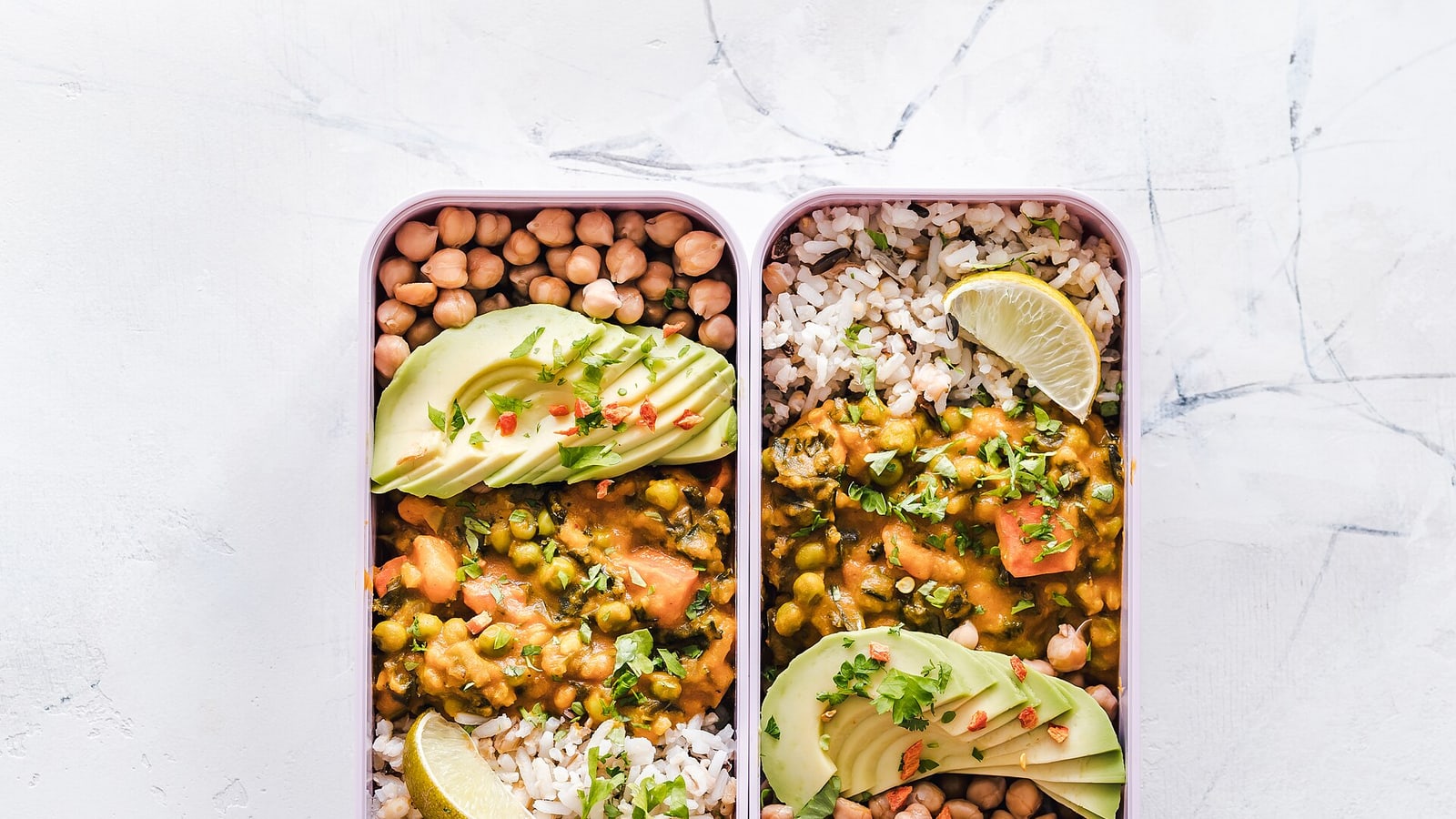
Once your base rice is reliable, the fun begins. A pot of fluffy basmati turns a simple Vegetable Pulao into a centerpiece, and blooming saffron in warm milk over steamed grains is all it takes to understand why Saffron Rice feels like a celebration even on a Tuesday. Day-old rice from the fridge is, of course, the essential ingredient for proper Fried Rice, where dry, separate grains fry instead of steam.
For the background on the grain itself, the story of basmati is worth a few minutes, and our cooking guides cover more fundamentals like this one.
Perfect rice is the cheapest upgrade in cooking: the same bag, the same pot, entirely different results. Cook it three times this week, once plain, once with the ratios written down, once from memory, and everything this guide taught you about how to cook rice is yours for life.
Featured photo: Veikko Mäkelä — CC BY-SA 4.0, via Wikimedia Commons.