The best meal prep ideas are not about eighty identical plastic boxes of beige chicken. The meal prep ideas that last are a small system: a couple of hours on Sunday that make every weekday dinner faster, cheaper and better, without ever eating the same lunch twice in a row. This guide gives you the system, the food-safety basics, and a full week of plans to copy.
Whether your goal is saving money, eating better, or reclaiming your weeknight evenings, the approach below works because it prepares building blocks rather than finished plates. That single distinction is what separates meal prep people sustain from meal prep they abandon by Thursday.
Why Most Meal Prep Fails
The classic failure mode is cooking five identical lunches on Sunday and finding them unappealing by Tuesday, texture is the killer. Sauces soak into grains, salads wilt, and reheated protein turns dry. By Wednesday the fridge feels like a punishment, and takeaway wins.
The second failure is ambition: a Sunday session with twelve recipes, forty ingredients and a sink full of washing up. Nobody repeats that, which is why the best meal prep ideas are the boring, repeatable ones. The fix for both problems is the same: prepare versatile components, mix them differently across the week, and keep the session short enough that you will actually do it again next Sunday.
The Four-Building-Block System
Prepare one item from each block, and every block combines with the others in minutes.
Block one: a grain. A big pot of rice, or a tray of roasted potatoes, or a batch of flatbreads. Cooked grains keep four days refrigerated and reheat in minutes, and they are the base of bowls, wraps and quick fry-ups.
Block two: a protein. One tray of roast chicken thighs, a pot of dal, a pan of paneer, or a batch of boiled eggs. Season simply; the sauces below carry the flavor.
Block three: vegetables. Two treatments rather than one: something roasted until sweet and browned, and something raw and sharp, shredded salad or quick-pickled onions. The contrast keeps bowls interesting all week.
Block four: a sauce. This is the block that makes the other three feel like different meals every day. A yogurt-mint sauce, a peanut sauce, a green chutney, a tomato-onion masala. Sauces take ten minutes, keep for up to a week, and transform identical blocks into entirely different dinners.
Cook those four blocks back to back on Sunday, grains simmering while vegetables roast while sauce blends, and a two-hour session stocks a week. The trick is sequencing: oven dishes first, stovetop while the oven runs, sauces last with everything else cooling.
Sunday Session, Step by Step
Here is the order that keeps the kitchen calm. First, put the grain on. Second, season and tray the protein and vegetables, and slide them into the oven. Third, while everything cooks, make two sauces and pack them into jars. Fourth, wash as you go in five-minute breaks, because future-you on Wednesday night deserves a clean counter. Fifth, cool everything quickly, portion what you will eat in the next three days, and refrigerate the rest in containers you actually like opening.
Seven Meal Prep Ideas for the Week
Here is a full week built from one session, no two meals alike. Monday: grain bowl, rice topped with shredded roast chicken, roasted vegetables and yogurt sauce. Tuesday: quick fried rice, yesterday's grain hitting the pan with eggs and frozen peas, cold rice being the correct ingredient. Wednesday: wrap night, flatbreads spread with green chutney, stuffed with sliced chicken and pickled onions. Thursday: dal night, the Sunday pot of dal reheated with a fresh tadka poured over, rice from the freezer. Friday: curry night, a twenty-minute pot of Vegetable Curry built on the masala you prepped, with rice warming. Saturday: cook-fresh night, because the system should end with a treat: a proper Chicken Curry with the week's remaining sauce as its base. Sunday: batch day again, but now it takes ninety minutes because you know the sequence.
Notice what the week avoids: not a single repeated plate, and only two real cooking sessions. The blocks did the work; assembly did the rest. A pot of Chole from the weekend makes an even easier Thursday, and the full recipe collection is a deep bench of batch-friendly mains to rotate.
Meal Prep on a Budget
The four-block system is also the cheapest way to eat well, because it buys ingredients once and uses them completely. Dried beans and lentils cost a fraction of canned and cook unattended; whole chickens breakdown into two meals and a stockpot of stock; the ends of the week's vegetables become a frittata or a fried-rice night that empties the fridge. Sauces rescue whatever is left: the same yogurt sauce that dressed Monday's bowl turns Thursday's leftovers into a completely different plate.
Two more habits compound the savings. First, plan the blocks around what is on special rather than around a fixed recipe; the system does not care whether the protein block is chicken, paneer or chickpeas this week. Second, keep a running list of the three blocks that ran out first, and buy extra of exactly those next Sunday. After a month of these meal prep ideas you will have a personal shopping pattern that wastes almost nothing, which is where the real savings live.
Storage and Safety
Cooked food needs to be cooled quickly and refrigerated within two hours; divide big pots into shallow containers so the cold gets in fast. Most cooked blocks keep three to four days refrigerated, so portion what you will eat by Wednesday and freeze the remainder on Sunday itself. Sauces are the longest-lived block, a week or more; grains and roasted vegetables sit in the middle; cooked rice deserves the most care, cool it fast, refrigerate promptly and reheat thoroughly, reheating only once.
Label everything with the day it was cooked; masking tape and a marker turn the fridge from a mystery into a menu. And stack the week so the oldest containers are at the front, because visible food gets eaten and hidden food gets composted.
The Container Question
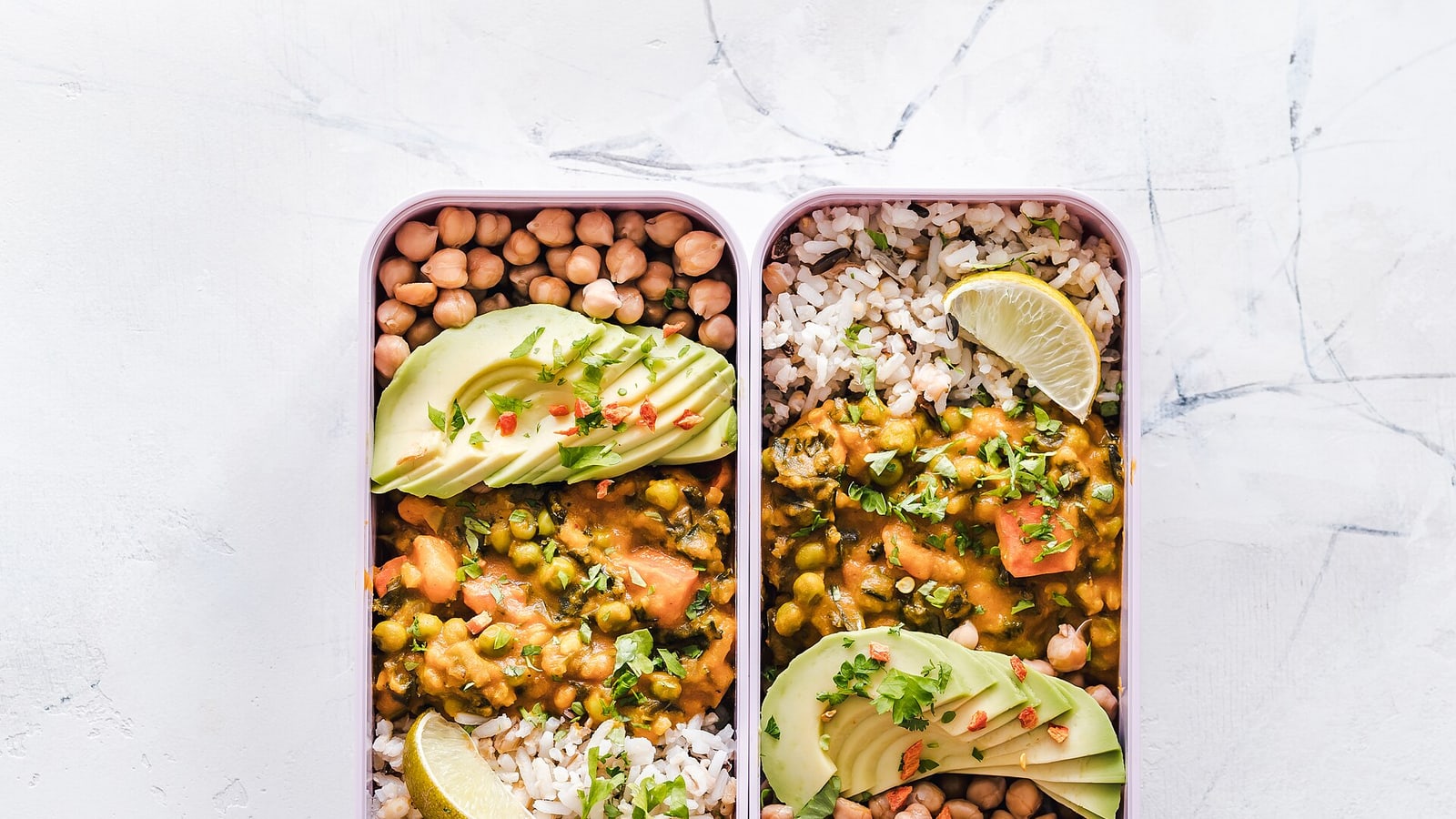
You do not need a matched set of anything. What works: a few glass containers with real lids for reheating, one compartment box for lunches you carry, and jars for sauces and grains. If a container is annoying to open or clean, it will quietly kill the habit; choose the ones you enjoy using and retire the rest.
Make Meal Prep a Habit
The system only pays off if it repeats, so protect the habit. Start with one Sunday session of two hours, not an aspiration of five, and pick meal prep ideas you genuinely want to eat. Keep a note of which blocks ran out first this week and double those next time. Tie the session to something pleasant, a podcast, music, and end it by writing next week's four blocks on the fridge while the kitchen is still clean. After three weeks, the Sunday session stops being discipline and becomes simply what your kitchen does.
For the broader background, this overview of meal preparation is a useful read, and our cooking guides cover more weeknight systems. Start this Sunday: four blocks, two hours, and a week of dinners that make themselves.
Featured photo: Ella Olsson from Stockholm, Sweden — CC BY 2.0, via Wikimedia Commons.